 How-to
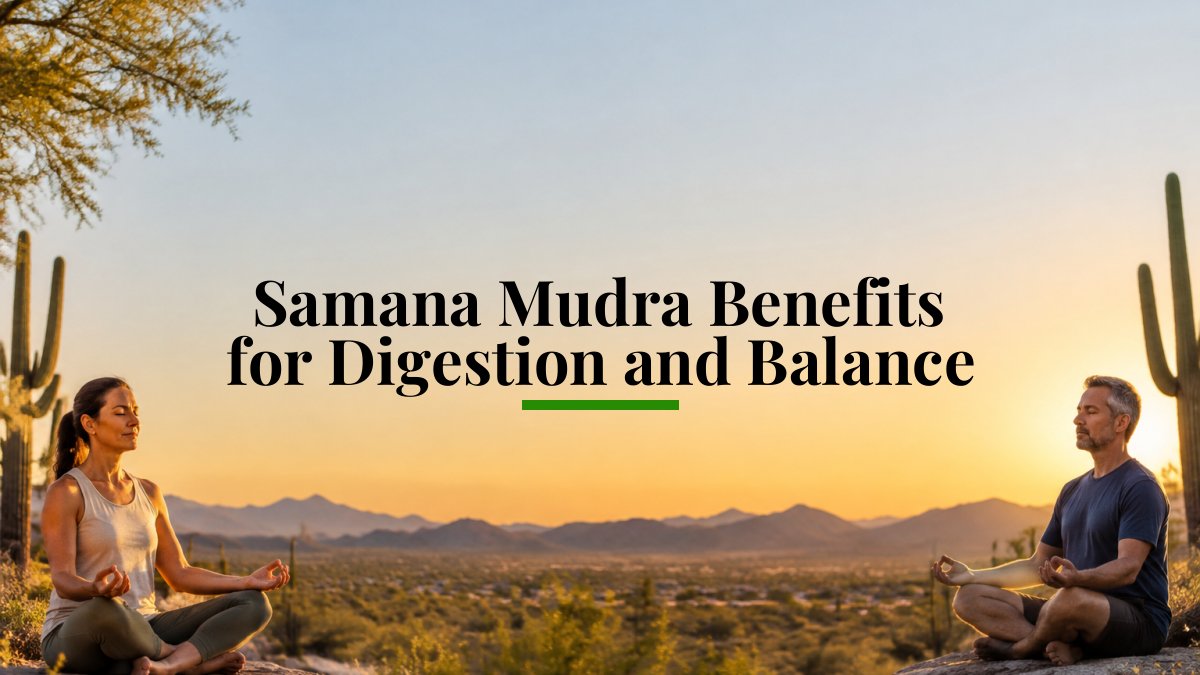
Samana Mudra Benefits for Digestion and Balance
Last Updated: November 18, 2026
Quick Summary
Samana mudra is a hand gesture from yoga and Ayurveda that pairs the thumb and middle finger with slow breathing to support digestion and balance. Practitioners use it for five to ten minutes before meals to feel calmer around eating. The evidence is traditional teaching, not clinical trials.
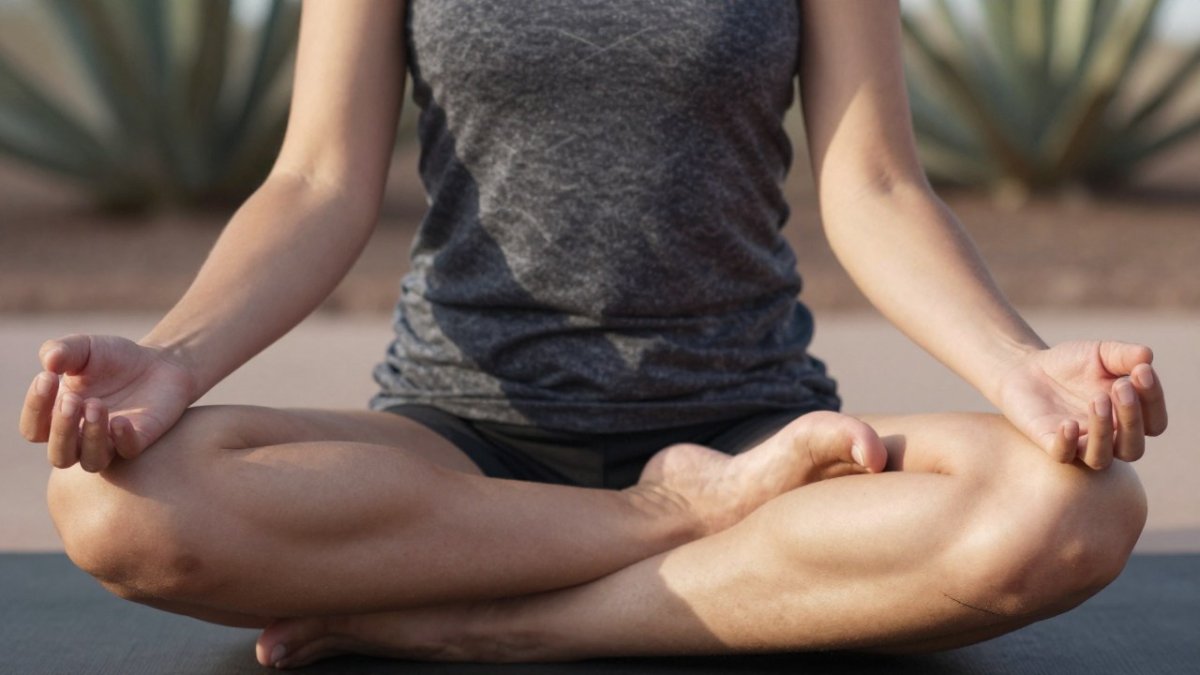
- Touch the thumb tip to the middle finger tip with light contact, no pressing.
- Breathe in through the nose for four counts and out for six.
- Start with five minutes once daily, ideally before a meal.
- Skip the practice if you have an acute hand, wrist, or thumb injury.
- Persistent bloating, pain, or reflux lasting weeks deserves a doctor's visit.
Table of Contents
- What Samana Mudra Is and How It Fits Yoga Practice
- Samana Vayu Meaning and Its Role in Digestion
- Samana Vayu Mudra Steps for Correct Finger Placement
- Samana Mudra Benefits and Side Effects: What the Evidence Says
- How Samana Mudra Fits Breathwork and Meditation
- Practice Samana Mudra at a Desert Wellness Retreat
- Frequently Asked Questions
What Samana Mudra Is and How It Fits Yoga Practice
Samana Mudra is a hand gesture used in yoga and Ayurveda, and it is one of the simplest practices you can learn.
Think of it as a way to slow down. You sit, you place your fingers, and you breathe.
New to mudras entirely? Our guide on how to use a mudra for balance walks you through the basics before you add this one to your routine.
Samana Vayu Meaning and Its Role in Digestion
Samana Vayu is the inward-moving current of energy that traditional yoga texts place at the navel center. The word "samana" points to balancing or equalizing.
This is a traditional framework, not a medical model. Modern digestion involves stomach acid, enzymes, and gut bacteria, and no hand gesture replaces those.
Still, the idea is useful. If you want to go deeper into the Ayurvedic view of balance, our reflection on anxiety, fear, and finding balance through yoga and Ayurveda connects the dots.
Samana Vayu Mudra Steps for Correct Finger Placement
Here is the full sequence, plus the details most quick guides skip: which fingertips actually meet, how the gesture differs from similarly named mudras, and how to adapt it if sitting cross-legged on the floor is not comfortable for you.
Samana Mudra Benefits and Side Effects: What the Evidence Says
Honest answer: the evidence for Samana Mudra is traditional teaching, not clinical trials. What has been studied is the broader category the practice sits inside, slow breathing, seated meditation, and relaxation, which have measurable effects on the nervous system (How Breath-Control Can Change Your Life).
That distinction matters. The reasonable claim is that this practice may help you feel calmer around meals. Hold the practice loosely and judge by how you feel over a few weeks, not by a single session.
What Is Traditional Teaching vs. What Is Studied
- Not established: that the finger position itself produces an effect independent of the breathing and stillness that accompany it. No one has isolated the gesture in a trial.
A useful way to hold this: the mudra is the doorway, and the breath is the practice. If you remove the breath and just hold your fingers together while scrolling on your phone, you are not doing the thing that has any research behind it.
Side Effects and Discomfort
Side effects are rare and mild. Some people notice tingling in the fingers from holding the position, especially at first.
- Skip it if you have an acute hand, wrist, or thumb injury, or a condition such as arthritis that makes finger contact painful.
- Stop if you feel dizzy, lightheaded, or short of breath. Return to normal breathing and sit quietly.
- Do not use it as a substitute for medical care, medication, or a diagnosis.
Watch out: a pleasant calm during practice is not evidence that a digestive problem is resolving. If symptoms are new, worsening, or interfering with daily life, the mudra is not the tool for that job.
When to Seek Medical Care Instead
Samana Mudra is a wellness practice, not a treatment. Persistent symptoms deserve a medical evaluation, and the following are reasons to see a clinician:
- Bloating, gas, or abdominal pain that lasts more than a few weeks or keeps returning.
- Heartburn or reflux that is frequent, worsens at night, or does not respond to ordinary measures.
- Unintentional weight loss, blood in the stool, black stools, or persistent vomiting.
None of this is meant to alarm you. Most digestive complaints are ordinary and self-limiting. The point is that a hand gesture is not a diagnostic tool, and the responsible framing is to use the practice for calm and to route persistent symptoms to a clinician who can examine you.
Practice Duration, Frequency, and Progression
Start with five minutes once a day, ideally before a meal. After a week, add a second session.
| Stage | Duration | Frequency | What to Expect |
|---|---|---|---|
| Week 1 | 5 minutes | Once daily | Learning the finger position |
| Week 2-4 | 5-10 minutes | Once or twice daily | Easier stillness, calmer meals |
| Month 2+ | 10-15 minutes | Twice daily | Deeper breath, steadier focus |
Duration
Progression is about consistency, not intensity. A short daily practice beats a long occasional one. If you miss a day, resume the next day rather than doubling up to catch up.
A Simple Self-Check
After two weeks, ask three questions: Are you actually doing it most days? Does your breathing feel slower and easier during practice? Do you notice any change in how meals feel? If the answer to the first is no, the practice is not yet established and the other two questions are premature. If the answer to the first is yes and the other two are no, that is useful information, the practice may not be a fit for you, and that is a legitimate outcome, not a failure.
How Samana Mudra Fits Breathwork and Meditation
Samana mudra works as a doorway into breathwork and meditation. The fingers hold attention. The breath does the work.
Try this: place the mudra, then practice a slow count of four in and six out for ten rounds. Then let the counting go and sit in silence.
If you are ready to go further, our guide on how to practice silent meditation in the desert shows how stillness deepens when the environment is quiet and open.
Practice Samana Mudra at a Desert Wellness Retreat
Some practices land harder when the setting changes. Picture a morning on our two and a half acres at the base of Sunrise Mountain: cool air, long shadows, and a yoga studio with twenty mats waiting.
At Blisstopia Retreats, we fold breathwork, meditation, and sound healing into our retreat days alongside a cacao ceremony and nourishing meals. You can explore the Soul Vortex retreat to see the full five-day shape.
Mark and Lana live on-site, so support is close by. No experience required. Come as you are.
Your hands are already with you, and five quiet minutes cost nothing. The harder part is building a practice that lasts, and that is where a guided setting helps. Blisstopia Retreats offers transformational wellness retreats, guided breathwork, and meditation in a private desert sanctuary built for exactly this kind of slowing down. Get started with Blisstopia Retreats and turn a simple hand gesture into a daily ritual that sticks.
Frequently Asked Questions
What are the potential side effects of samana mudra?
Some people report mild finger discomfort or fatigue if they hold the gesture too long or press too hard. Anyone with ongoing health concerns should check with a healthcare provider. Stop if you feel dizzy or uncomfortable, and avoid forcing the finger position. Pregnant people and those with chronic conditions should check with their doctor before starting any new breathing or hand-gesture routine.
How long should you hold samana mudra, and can it help with digestion?
Traditional guidance suggests holding samana mudra for 5 to 15 minutes during a quiet seated practice, once or twice daily. You can build up gradually if the finger position feels strained. Many practitioners use it before meals or during meditation to support relaxation. The gesture is traditionally linked to samana vayu, an energy described in yoga texts, though clinical evidence is limited. Pair the gesture with slow breathing and a relaxed posture rather than expecting it to replace dietary or medical treatment.
Can samana mudra help with weight loss?
There is no strong clinical evidence that samana mudra directly causes weight loss. Traditionally, it is associated with samana vayu, an energy described in yoga texts. If you use the mudra as part of a broader routine that includes movement and stress management, it may help you stay consistent with healthy habits. Treat weight loss claims with caution and rely on evidence-based approaches for measurable results.
Is samana mudra the same as samana vayu mudra?
The names are often used interchangeably. Samana mudra and samana vayu mudra both refer to a hand gesture intended to balance samana vayu, the energy associated with digestion and assimilation in yoga tradition. The finger placement is generally described the same way: the tips of the thumb and index finger touch while the other fingers stay relaxed. Some teachers add variations in breath or visualization, so follow the guidance of your instructor if you are learning within a specific lineage.