 how-to
Is Reiki Energy Healing Safe for Beginners
Table of Contents
- What Reiki Is and How Energy Healing Works
- Is Reiki Energy Healing Safe for Beginners
- Reiki Safety and Side Effects: What You Should Know
- What to Expect During a Reiki Session
- How to Prepare for a Reiki Session
- Reiki Level 1 Self-Practice for Beginners
- Reiki as Complementary Therapy: Setting Realistic Expectations
- Frequently Asked Questions
Last Updated: October 5, 2026
What Reiki Is and How Energy Healing Works
Energy healing holds that physical and emotional health are connected to the movement of energy through the body.
At Blisstopia Retreats, we integrate reiki and other energy healing modalities into our transformational wellness programs.
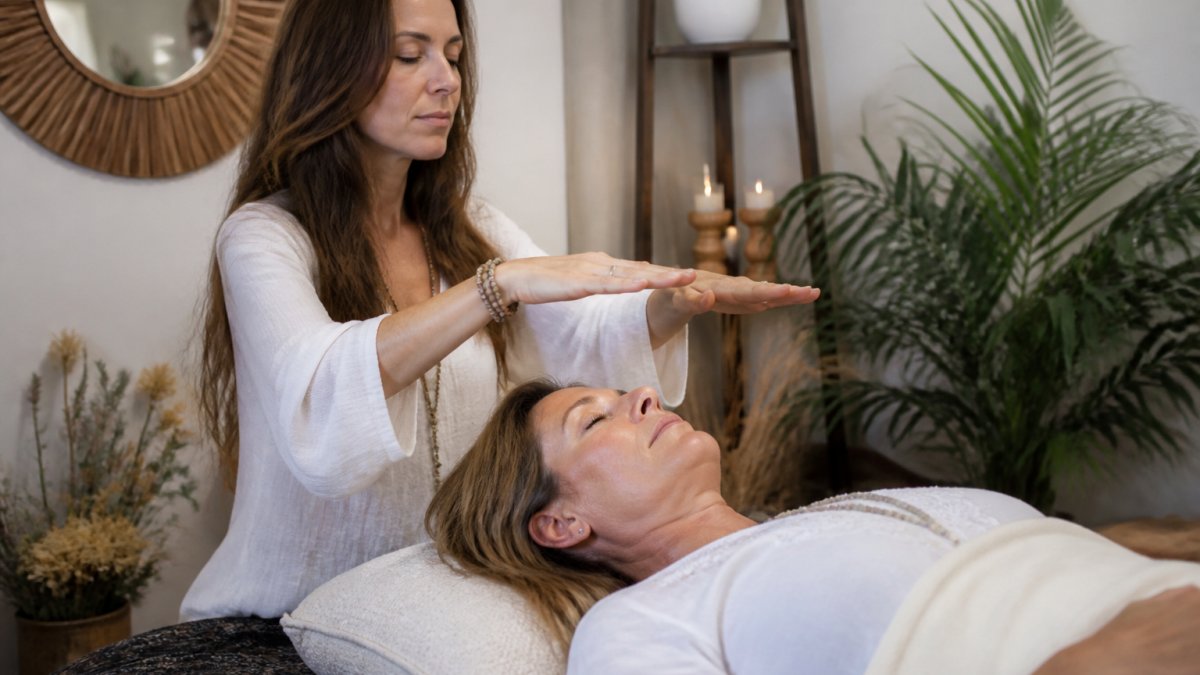
The practice is non-invasive: you remain fully clothed while the practitioner places their hands lightly on or just above your body, typically starting at the head and moving toward the feet.
Is Reiki Energy Healing Safe for Beginners
Reiki energy healing is generally considered safe for most people, including beginners with no prior experience. It is non-invasive, requires no special equipment, and carries minimal risk with a trained practitioner.
Safety still depends on understanding what reiki can and cannot do, knowing when to seek conventional care, and communicating openly with your practitioner.
Medical Disclaimers and When to Seek Conventional Care
Reiki is a complementary therapy, not a replacement for medical treatment.
Reiki works best as a support to conventional care, many people use it to manage stress while continuing to see their healthcare provider.
Never delay medical care hoping reiki will heal a serious condition.
For chronic conditions like arthritis, anxiety, or pain, reiki can complement your treatment plan, talk with your doctor about your interest in energy healing.
Reiki Safety and Side Effects: What You Should Know
Most people experience reiki as deeply relaxing with few or no side effects, though temporary reactions can occur, especially during your first session.
Temporary Reactions During and After Treatment
The most common temporary reaction is mild fatigue, your body processing the energy work, not a sign something is wrong.
Some people feel sad, tearful, or emotionally raw as stored emotions surface.
Physical sensations vary: warmth, tingling, or gentle pressure where the hands are placed.
A small number of people experience mild headache or body aches after a session; these typically resolve quickly.
What to Expect During a Reiki Session
During a reiki session, you will lie on a massage table or sit in a chair while a trained practitioner places their hands on or near your body to channel healing energy. For a beginner, almost everything about the session is negotiable, and a good practitioner will tell you so.
Before the Session: The Consent Conversation
A responsible practitioner walks you through a short intake first:
- Why are you here, and what would you like from the session?
- Any injuries, surgeries, pregnancy, or health conditions I should know about?
- Are you currently receiving medical or mental health care?
- Do you prefer hands-on touch, hands hovering above the body, or a mix?
You may say no to any of it. If a practitioner skips this conversation, slow down or leave, consent is the foundation of a safe session.
During the Session: What Actually Happens
The practitioner typically begins at your head and works down your body, spending extra time on areas of pain or sensed imbalance.
You remain clothed throughout, and touch is light and respectful. If you prefer no contact, tell your practitioner beforehand and they can hover their hands above you.
A typical session runs 30 to 90 minutes, with 60 minutes most common for a first visit.
Physical Sensations and Emotional Responses
Your experience is unique: some feel deeply relaxed or fall asleep, others stay alert and aware. Both are normal.
Physical sensations during the session can include:
- Warmth or heat where the practitioner's hands are placed
- Tingling or pulsing sensations
- A sense of energy moving through your body
- Heaviness or lightness in your limbs
Emotional responses during a session might include:
- Deep peace and calm
- Emotional release or tears
- Vivid thoughts or memories surfacing
- A sense of being held or supported
Afterward, most people feel relaxed and refreshed, some energized, others sleepy. Drink plenty of water to support your body's natural healing.
If a Session Feels Uncomfortable
Discomfort during reiki is uncommon but possible. A simple plan:
- Name it in the moment. Say something like, "I'm feeling anxious" or "That area feels intense." You do not need to explain or justify it.
- Ask for an adjustment. The practitioner can move their hands, hover instead of touch, pause, or shift to a different area.
- Pause the session. A short break, sitting up, sipping water, taking a few slow breaths, often resolves mild discomfort.
- End the session if you want to. You are never obligated to finish. A professional will not pressure you to continue.
- Debrief afterward. Tell the practitioner what came up. They may have context that helps you understand the reaction.
After the Session
Most practitioners close with a few minutes of quiet and a check-in: how you feel, anything you want to share, any questions. Plan a low-key rest of your day if you can.
If you are exploring reiki within a broader wellness experience, transformational retreats often build in integration time after energy work, pairing it with breathwork, meditation, and journaling.
How to Prepare for a Reiki Session
Set an intention, specific ("I want to release stress") or general ("I'm open to whatever healing I need").
Arrive a few minutes early so you're not rushed, and tell your practitioner about injuries, pain, sensitive areas, contact preferences, or concerns.
Skip alcohol and recreational substances the day of your session, they dull body awareness and make it harder to communicate if something feels off.
Finding and Vetting a Qualified Reiki Practitioner
Not all reiki practitioners have the same training. Look for someone who has completed formal reiki training and ideally holds a recognized certification.
Ask about their training.
Check reviews or testimonials from past clients, and ask if they'll answer questions about their approach before you book.
Consider whether you prefer a dedicated healing space or another setting, and whether you want a male or female practitioner.
Questions Worth Asking Before You Book
A short screening call or email tells you a lot. Try these:
- Training and lineage: Where did you train, and how many hours were in your Level 1 program? Do you hold a certification from a recognized reiki association?
- Experience: How long have you been practicing, and roughly how many sessions have you given?
- Scope: Do you ever advise clients to stop or change medical treatment? (The right answer is no.)
- Boundaries: What is your policy on touch, and how do you handle a client who wants hands-off work?
Red Flags to Walk Away From
Most practitioners are ethical and well-trained. A small number are not. Consider ending the conversation if you hear any of the following:
- Claims that reiki can cure cancer, replace medication, or treat a diagnosed disease
- Pressure to stop seeing a doctor, therapist, or other licensed provider
- Refusal to answer basic questions about training, fees, or boundaries
- Any suggestion that you should not tell your medical team about the sessions
- Touch that goes beyond what you agreed to, or a refusal to honor a hands-off request
Special Circumstances: Pregnancy, Health Conditions, and Trauma
Reiki is generally low-risk, but a few situations call for extra care:
- Pregnancy: Many people receive reiki during pregnancy for relaxation. Tell your practitioner you are pregnant, and check with your obstetric provider first, especially if you have any complications.
- Active medical treatment: If you are undergoing treatment for a serious condition, reiki can be a supportive add-on, but it should never delay or replace care. Let your oncology or medical team know you are receiving it.
- Mental health care: If you are working with a therapist or psychiatrist, mention reiki to them. It can complement care, but it is not a treatment for depression, anxiety, PTSD, or any other diagnosed condition.
- History of trauma: If you have a trauma history, tell your practitioner in advance. Ask whether they have trauma-informed training, and confirm that hands-off work and mid-session pauses are welcome. Some people find it helpful to have a trusted friend drive them home afterward.
If you're interested in reiki as part of a broader wellness retreat experience, Blisstopia Retreats offers energy healing sessions integrated into transformational retreat programs, combining reiki with breathwork, meditation, and other practices. These holistic modalities often harmonize well with various crystal healing practices to deepen the sense of energetic alignment and personal restoration.
Reiki Level 1 Self-Practice for Beginners
After completing Reiki Level 1 training, you can practice self-reiki, using reiki energy on yourself between professional sessions or as an ongoing practice.
Self-reiki is simple. Sit or lie down comfortably, place your hands on your body starting at your head or heart, and spend a few minutes on each area moving downward.
You don't need to do anything special. Hold the intention to send yourself healing energy and let your hands rest where they're drawn.
Starting Your Own Energy Healing Journey
If you're drawn to reiki and want to deepen your practice, consider a Reiki Level 1 class.
Reiki Level 1 training typically takes one to three days. After Level 1, you can practice self-reiki and offer reiki to friends and family.
Many people find that regular reiki practice, whether receiving sessions or practicing self-reiki, becomes part of their wellness routine.
Reiki as Complementary Therapy: Setting Realistic Expectations
Reiki works best as one part of a comprehensive wellness plan, not a cure-all.
Be realistic about what reiki can do. It may help you relax, support your body's natural healing processes, and help you process emotions or feel more connected to yourself.
Many people find reiki works best alongside other practices.
Reiki energy healing is safe for beginners when practiced with a qualified, trained practitioner and approached as a complementary therapy alongside conventional care.
Frequently Asked Questions
Is Reiki energy healing safe for beginners with no prior experience?
Yes, Reiki is generally safe for beginners with no prior experience. It is a non-invasive, hands-on or hands-off energy healing practice that does not involve manipulation or medication. A qualified practitioner will work with you at a pace that feels comfortable, and you remain clothed during sessions. The main consideration is ensuring you're working with a trained, reputable practitioner and understanding that Reiki complements rather than replaces conventional medical care.
What temporary reactions might I experience after my first Reiki session?
Some beginners report mild temporary reactions after Reiki, such as mild fatigue, emotional release, or brief changes in physical sensations. These are typically understood as part of the healing process and usually resolve within 24 to 48 hours. Staying hydrated, resting, and allowing yourself time to process the experience can help. If reactions feel severe or concerning, discuss them with your practitioner or consult a healthcare provider.
Can I practice Reiki Level 1 on myself as a beginner?
Yes, Reiki Level 1 training includes self-Reiki practice, which many beginners find valuable for personal wellness and relaxation. Self-practice typically involves placing your hands on different areas of your body, head, chest, abdomen, legs, and allowing energy to flow. Most practitioners recommend starting with 10 to 15 minutes daily. Self-Reiki can support relaxation and stress relief, though receiving treatment from a qualified practitioner offers a different experience and may be more effective for addressing specific concerns.
How do I know if a Reiki practitioner is qualified and trustworthy?
Look for practitioners who have completed formal Reiki training, hold certification from recognized Reiki organizations, and are willing to discuss their background and experience. Ask about their training lineage, how long they have been practicing, and whether they follow ethical guidelines. A qualified practitioner should explain what Reiki is, answer your questions openly, respect your boundaries, and be clear that Reiki is complementary to, not a replacement for, conventional medical care. Personal referrals and reviews can also help you find someone you trust.