 How-to
How to Choose a Wellness Retreat That Actually Works
Last Updated: November 8, 2026
Quick Summary
Choose a wellness retreat by matching the retreat type to your goal, comparing total trip cost rather than the headline rate, and asking direct questions about group size, facilitator credentials, schedule structure, and cancellation terms before you book. Length should match the depth of your work: three to five days resets a stress cycle, while a week or more suits deeper change.
- Match the retreat type to your goal before you fall in love with the photos.
- Compare total trip cost, since a low headline rate can exclude meals, transfers, or mandatory sessions.
- Three to five days is enough to reset your nervous system and interrupt a stress cycle.
- Ask about group size, facilitator credentials, daily structure, cancellation terms, and what the rate includes.
- Tell facilitators in advance if you are working through trauma or a mental health condition.
Table of Contents
- What a Retreat Really Means and Why It Works
- How to Choose a Wellness Retreat by Goal, Budget, and Setting
- Wellness Retreat Length: How Long You Need for Real Change
- Wellness Retreat Activities and What to Expect Day to Day
- Questions to Ask Before Booking a Retreat
- How to Prepare Before You Arrive
- Inquire About Your Stay at Blisstopia Retreats
- Frequently Asked Questions
What a Retreat Really Means and Why It Works
A retreat is a deliberate withdrawal from ordinary life into a set apart place, time, and rhythm so that rest, reflection, and renewal can actually happen. At Blisstopia Retreats, we have watched five years of guests arrive wound tight and leave with something steadier in their eyes. The word itself comes from the old sense of pulling back, of retreating from a difficult situation or a demanding season. That is not escape. It is strategy.
Most people who book a wellness retreat are not running from anything. They are stepping away from noise long enough to hear themselves again.
Withdrawal, Solitude, and the Quiet Place
Every retreat begins with withdrawal. You leave the desk, the inbox, the family schedule, and the daily responsibilities behind for a defined stretch of time. That separation matters more than most people expect. A quiet place does the early work for you: the nervous system settles when the phone stops buzzing and the calendar empties.
Solitude is not the same as isolation. Isolation is being cut off. Solitude is choosing stillness on purpose, and a retreat setting makes that choice easy because everyone around you is making it too. The American Psychological Association's overview of the health effects of loneliness and social connection notes how deeply our surroundings shape mental state, which is exactly why the setting of a retreat carries so much weight.
Spiritual Roots: Prayer, Meditation, and Reflection
Retreat as a practice runs deep in religious life. Buddhist monks observe an annual rains retreat known as Vassa, a months long season of staying put for study and meditation. Christian and Jewish traditions hold their own forms of withdrawal for prayer and contemplation. The structure is ancient: step out of the world, sit with silence, pray or meditate, and return changed.
You do not need a specific faith to benefit. Contemplation and reflection are human capacities, and a spiritual retreat simply gives them room. Our own sanctuary is faith based, and we hold that space in a way that welcomes the curious, the devout, and the unsure alike.
How to Choose a Wellness Retreat by Goal, Budget, and Setting
Choosing well comes down to three questions: what do you need, what can you spend, and where will you actually relax? Answer those honestly and the shortlist writes itself. The biggest mistake we see is booking on scenery alone and discovering the program does not match the need.
Match the Retreat Type to What You Need
Different retreats do different work. Match the type to the goal before you fall in love with the photos.
- Burnout recovery: choose a retreat with breathwork, sound healing, and generous unstructured time
- Spiritual renewal: look for prayer, meditation, and ceremony woven through the schedule
- Grief or transition: seek small groups and facilitators trained in emotional support
- Couples reconnection: prioritize private space and guided communication work
- Teacher or practitioner training: verify credentials and hours before anything else
A second filter is structure. High-structure retreats run a full daily schedule from early morning practice to evening ceremony and ask for full participation. Low-structure retreats offer a menu of sessions and leave large blocks open. Most people land somewhere in the middle: one or two anchor practices a day plus real free time. Be honest about which one you will actually thrive in, because a silent, tightly scheduled week is misery for someone who needs rest, and an open-ended schedule feels unmoored to someone who came for direction.
Costs, Duration, and Accessibility
Retreat pricing is built from a handful of cost drivers, and knowing them lets you compare offers fairly instead of reacting to a headline number.
A realistic budget covers five lines: travel to and from the retreat, lodging, meals not included in the rate, program or session fees, and a cushion for extras such as bodywork, private sessions, or gratuity. Build the cushion in deliberately, because add-on services are where retreat budgets most often slip. If cost is the sticking point, start with a clear breakdown of what a wellness retreat typically includes before you compare options, and ask each venue for a written list of what the rate covers and what it does not.
Duration should follow the work, not the vacation calendar. A weekend is enough for rest and a first reset. A week or more is the realistic range for deep identity-level work, grief processing, or facilitator training.
Accessibility deserves a direct question too. Ask about mobility needs, dietary requirements, medication schedules, and whether the property sits on uneven ground. Ask whether rooms are ground floor or reached by stairs, whether bathrooms have grab bars, and whether the schedule allows a guest to sit out a session without penalty.
Watch out: a low headline rate that excludes meals, airport transfers, or mandatory sessions can end up costing more than a higher all-inclusive rate, so compare total trip cost rather than the advertised number.
Match the retreat type to what you actually need before you fall in love with the photos.
| Goal | Retreat type to choose |
|---|---|
| Burnout recovery | Breathwork, sound healing, generous unstructured time |
| Spiritual renewal | Prayer, meditation, and ceremony woven through the schedule |
| Grief or transition | Small groups and facilitators trained in emotional support |
| Couples reconnection | Private space and guided communication work |
| Teacher or practitioner training | Verify credentials and hours before anything else |
Wellness Retreat Length: How Long You Need for Real Change
Three to five days is enough to reset your nervous system and interrupt a stress cycle. Deeper identity level change usually asks for a week or more. The honest answer is that length should match the depth of what you are working through, not the vacation days you can spare.
A long weekend works well for rest, clarity, and a first taste of retreat life. Someone untangling serious burnout or a life transition often needs the longer arc, because the first two days are spent decompressing before the real work begins. We build retreats from three to fourteen days for exactly this reason. If you are weighing a short stay, read whether a 3 day wellness retreat is effective for mental health before you decide.
Wellness Retreat Activities and What to Expect Day to Day
A typical day blends structured practice with real downtime. Mornings usually open with yoga, breathwork, or meditation. Afternoons leave space for sessions, bodywork, or a nap. Evenings lean toward sound healing, ceremony, or quiet conversation around a fire.
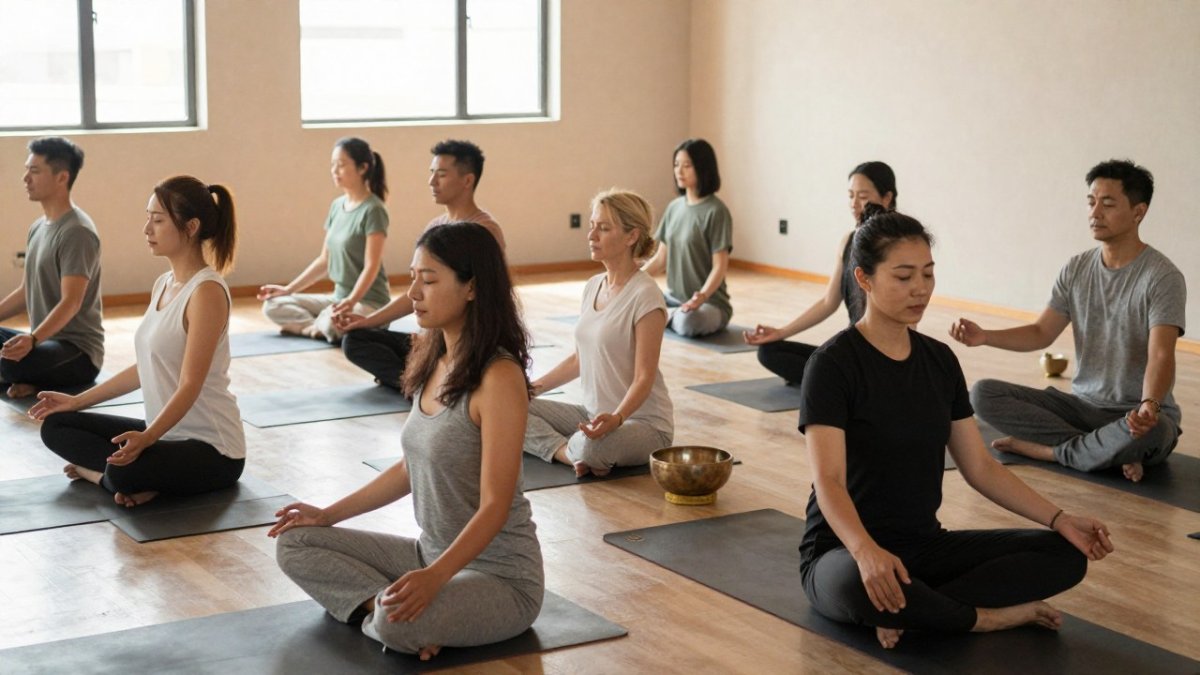
Here is what that rhythm looks like in practice on a five-day retreat.
Participation is usually a framework, not a cage. Most retreats ask guests to attend the anchor sessions and leave optional sessions optional.
What to bring is simpler than most first-timers expect.
A word on what retreats do not promise. Most practitioners find that retreats create the conditions for rest, clarity, and insight rather than guaranteeing a specific outcome.
Come with an open mind, comfortable clothing, and one clear intention, and let the facilitators handle the rest.
Questions to Ask Before Booking a Retreat
Ask about group size, facilitator credentials, daily structure, cancellation terms, and what is included in the rate. The answers separate a retreat that fits from one that merely looks good online. Write the questions down and ask them directly, ideally on a call.
Here is the short list we recommend:
- How many guests will be in the group?
- What are the facilitators' qualifications and experience?
- Is the schedule mandatory or flexible?
- What is included in the rate, and what costs extra?
- What is the cancellation and refund policy?
- How do you handle dietary needs and medical considerations?
- Is there quiet space and free time built in?
If you carry hesitations about retreats in general, three common misperceptions about attending a yoga or meditation retreat are worth five minutes of your time before you commit.
How to Prepare Before You Arrive
Preparation starts the week before you leave. Tell people you will be offline, pack for the terrain and the weather, and bring any medication you rely on. Arrive rested rather than frantic if you can, and set one clear intention for the experience.
Practical steps that make a difference:
- Share the itinerary and contact details with someone at home
- Pack layers, comfortable shoes, a journal, and a refillable water bottle
- Lighten your schedule for two days before departure
- Bring an open mind and leave the to do list behind
For a fuller walkthrough, our guide on how to prepare for a luxury wellness retreat covers packing, mindset, and what to leave at home.
Inquire About Your Stay at Blisstopia Retreats
The right retreat meets you where you are and asks only that you show up. If that sounds like the season you are in, we would love to host you. Our sanctuary sits on secluded acres at the base of Sunrise Mountain, with a yoga studio, pool, hot tub, infrared sauna, hiking trails, and a natural labyrinth. Mark and Lana live on site, and every stay includes nourishing organic meals and expert led sessions.
Call us at 623-986-2899 to talk through what you need, or explore the retreats we offer and find the one that fits.
You have read enough to know that a retreat is not a luxury, it is a tool. The question now is which one fits your life. Blisstopia Retreats offers transformational wellness retreats, guided breathwork, and sound bath healing in a private desert sanctuary where you are cared for from arrival to departure. Get started with Blisstopia Retreats and give yourself the space to come back to yourself.
Frequently Asked Questions
What does it mean to go on a retreat?
Going on a retreat means stepping away from your normal environment and responsibilities for a set period to focus on rest, reflection, and renewal. The word itself comes from the Latin retrahere, meaning to draw back or withdraw. A retreat can be religious, such as a silent prayer or meditation retreat, or secular, such as a wellness retreat centered on yoga, breathwork, and healthy meals. Either way, the core idea is the same: create distance from daily life so you can hear yourself think again.
How long should a wellness retreat be?
Wellness retreat length depends on your goal. A weekend or 3-day retreat can interrupt stress cycles and give you a genuine reset. Five to seven days allows time for deeper practices like breathwork, sound healing, and reflection to take hold. Longer stays of 10 to 14 days suit people working through burnout or grief. If you only have a long weekend, a shorter stay still counts. Ask the facilitator what results they expect guests to reach in that window before you book.
What questions should I ask before booking a retreat?
Ask who leads the sessions and what their training is, how many guests attend, and what is included in the rate, such as meals, accommodations, and activities. Confirm the daily schedule and how much free time you get. Ask about refund and cancellation policies, dietary accommodations, and whether the retreat is faith-based or secular. Finally, request the contact information of past guests so you can hear about their experience in their own words.
How do I choose the right wellness retreat for me?
Start with your goal. If you are burned out, look for nervous system-focused retreats with breathwork, restorative yoga, and quiet time. If you want spiritual depth, choose one with meditation, prayer, or ceremony. Then check the setting, group size, and facilitator credentials against your budget and schedule. A retreat that fits your goal and your comfort level will do more for you than one that simply looks luxurious in photos.