
 blog
Which 5 Activities Actually Help Burnout Recovery?
Last Updated: November 18, 2026
Quick Summary
The five burnout recovery activities for adults are gentle movement, deep breathing and mindfulness breaks, sleep and rest as active recovery, creative hobbies with no goal, and small boundaries that reduce demands. Each one is small, repeatable, and can be scaled to your current energy level, even during a full workweek.
- A ten-minute walk or five minutes of stretching before bed counts as gentle movement.
- Try inhaling for four counts, holding for four, and exhaling for six, repeated five times.
- Adults generally need seven or more hours of sleep, according to CDC recommendations.
- Do one creative activity for fifteen minutes with no plan and no output goal.
- Decline one optional meeting this week as a low-risk way to set a boundary.
Table of Contents
- Why Five Activities Beat a Long To-Do List
- How Burnout Drains Motivation, Mood, and Energy
- 1. Gentle Movement: Walking, Stretching, and Yoga
- 2. Deep Breathing and Mindfulness Breaks
- 3. Sleep and Rest as Active Recovery
- 4. Creative Activities and Hobbies That Have No Goal
- 5. Boundaries and Reducing Demands, One Small No at a Time
- How to Recover From Burnout While Still Working
- Burnout Recovery Stages: What Progress Actually Looks Like
- Frequently Asked Questions
Why Five Activities Beat a Long To-Do List
Burnout recovery is the slow work of refilling an empty tank, and it rarely happens through a twenty-item self-care checklist. The best burnout recovery activities for adults are few, small, and repeatable. This guide from Blisstopia Retreats covers five that fit real life, even a full workweek.
Here is the core problem. Exhaustion makes decisions hard. A long list of new habits becomes one more thing you owe someone. So we cut it to five.
Below, we show you exactly how to try each one at your current energy level. The five activities we cover are the ones we return to again and again with guests at our desert sanctuary.
How Burnout Drains Motivation, Mood, and Energy
Burnout is generally understood as a state of physical and emotional exhaustion linked to prolonged stress. Motivation, mood, and energy for everyday tasks can all decline.
Burnout is generally described as an occupational phenomenon tied to chronic workplace stress. The World Health Organization's guidance on burnout is worth reading if you want the official definition.
What most guides miss is the order of recovery. You cannot think your way out of exhaustion. You have to restore the body first, then the mind follows. If burnout goes unaddressed, the effects pile up over months, not days. To understand what can happen when exhaustion is left to compound, read about the long-term effects of chronic burnout.
1. Gentle Movement: Walking, Stretching, and Yoga
Gentle movement can help shift stress and restart energy, and it does not require a gym. A ten-minute walk counts. So does five minutes of stretching before bed.
Here is how to scale it to your capacity:
- Low energy: a slow walk to the end of the street and back
- Medium energy: twenty minutes of walking plus light stretching
- Higher energy: a gentle yoga class or a slow flow at home
The goal is not fitness. The goal is to remind your body it can feel good again. Movement can also support better sleep, which sets up the next activity.
If you want structure and company, our weekly yoga and wellness classes include gentle and restorative sessions built for first-timers.
2. Deep Breathing and Mindfulness Breaks
Deep breathing can help settle the body in minutes, and it is a portable tool you can use anywhere. Try this: inhale for four counts, hold for four, exhale for six. Repeat five times.
Mindfulness breaks work because they interrupt the stress loop. You are not solving anything. You are giving your body a pause between demands.
A common mistake is waiting until you feel calm to start. Start while you still feel tense. The breath does the work.
For a deeper set of breathing and stress-management practices, explore these lessons and tools for managing stress.
3. Sleep and Rest as Active Recovery
Sleep is not passive time. It is an important period when the body and brain carry out recovery processes. Adults generally need seven or more hours, according to the CDC's sleep recommendations, and burnout often arrives with sleep that is either too short or badly broken. That combination matters because the same nervous system that cannot wind down at night is the one that cannot recover during the day.
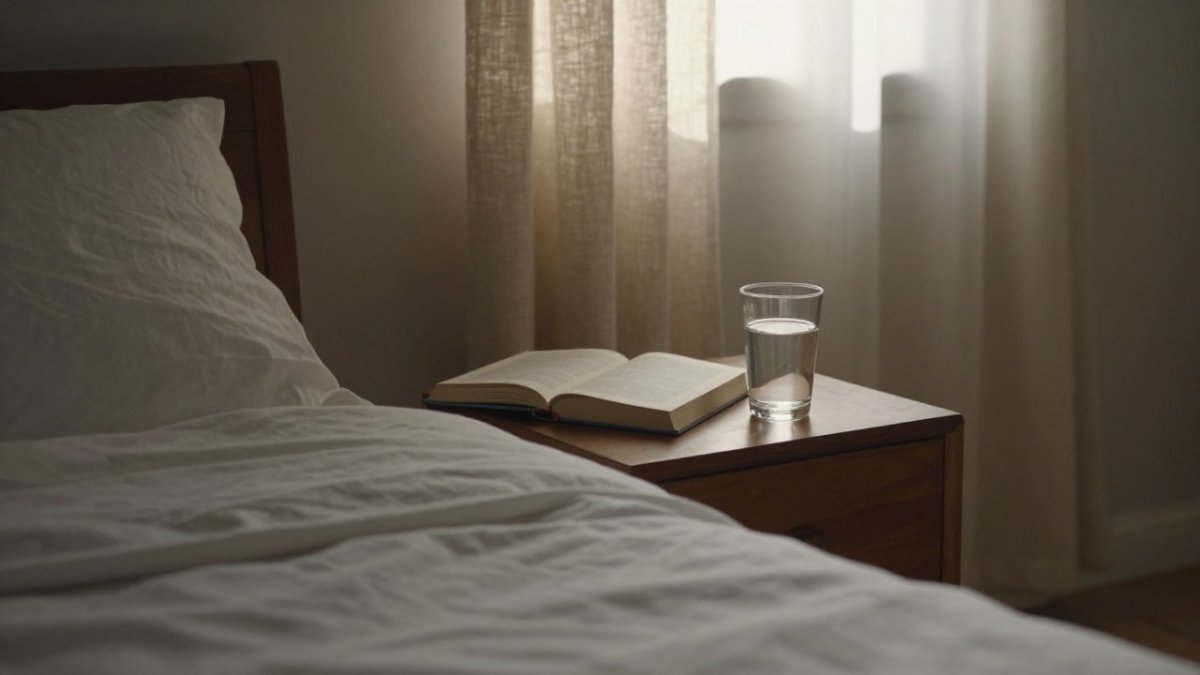
Why burnout sleep breaks
A common pattern is the wired-tired loop. Stress hormones can stay elevated into the evening, so you feel alert at midnight and wrecked at 7 a.m. Then caffeine can push the next night later. The loop is often easier to break by lowering arousal in the hours before bed and anchoring a consistent wake time, even on weekends. The wake time matters more than the bedtime, because it sets the rhythm the rest of the day follows.
Scale it to your capacity
- Low energy: keep one fixed wake time and dim the lights an hour before bed. That is the whole assignment.
- Medium energy: add a ten-minute wind-down ritual, such as reading paper pages or light stretching, and keep screens out of the bedroom.
- Higher energy: build a consistent sleep window, get morning daylight within an hour of waking, and cap caffeine by early afternoon.
Waking rest counts too
Rest is not only sleep. Sitting quietly, lying on the floor with your legs up a wall, watching the sky, or listening to a ten-minute sound track all qualify as recovery. For adults whose burnout shows up as restlessness rather than fatigue, waking rest can be an easier entry point because it does not require falling asleep.
Adaptations for real schedules
- Shift workers: protect a single anchor sleep block of at least four hours at the same time each day, and treat the rest as naps.
- Neurodivergent adults: a weighted blanket, blackout curtains, earplugs, and a predictable pre-bed sequence reduce sensory load. If your brain will not stop, some people find a short brain dump onto paper before bed helpful.
- Caregivers and parents: a twenty-minute nap beats a two-hour one, because long naps late in the day push bedtime later.
Watch out: if you have been sleeping seven or more hours for weeks and still wake exhausted, or if you snore heavily or gasp in sleep, that is a reason to talk to a clinician rather than to try harder at sleep hygiene.
Rest is a recovery activity, not a reward you earn. If you want a structured reset that includes guided rest and breathwork, our weekly yoga and wellness classes include restorative sessions built for first-timers. Rest can take different forms, and FitHaven offers another way to make room for recovery when a restorative session isn’t practical.
4. Creative Activities and Hobbies That Have No Goal
Creative hobbies can support burnout recovery because they have no deadline and no audience. Drawing badly, playing an instrument, baking bread, or gardening all qualify. The point is play, not output.
This is where most advice gets it wrong. People pick a hobby, then turn it into a project with goals. That recreates the pressure you are trying to escape.
Try this instead: pick one creative thing and do it for fifteen minutes with no plan. If you finish something, fine. If you do not, also fine. Fun is the medicine here.
5. Boundaries and Reducing Demands, One Small No at a Time
Boundaries protect your recovery, and they start smaller than most people think. You do not need a dramatic confrontation. You need one small no.
Here are low-risk ways to reduce demands:
- Decline one optional meeting this week
- Turn off work notifications after a set hour
- Ask for a deadline extension before you are overwhelmed
- Say "let me check and get back to you" instead of yes
Each small no can help reinforce the idea that you are allowed to have limits.
How to Recover From Burnout While Still Working
You can recover from burnout while still working, but only if recovery fits inside your actual week. The trick is to attach one activity to something you already do.
Try this simple weekly schedule:
| Day | Activity | Time | Energy Needed |
|---|---|---|---|
| Monday | Ten-minute walk after lunch | 10 min | Low |
| Tuesday | Box breathing at your desk | 5 min | Low |
| Wednesday | Creative hobby, no goal | 15 min | Low |
| Thursday | One small boundary, like a declined meeting | 5 min | Medium |
| Friday | Gentle yoga or stretching | 20 min | Medium |
| Weekend | Protect one full rest block | 1-2 hrs | None |
If you need a step-by-step plan that fits around a job, read our guide on how to recover from career burnout. And if your confidence has taken a hit, these steps for rebuilding professional confidence after burnout help you start small.
Burnout Recovery Stages: What Progress Actually Looks Like
Burnout recovery stages are not a straight line, and that is normal. Most people move through a few rough phases: crash, rest, slow return of energy, then rebuilding.
Signs you are recovering from burnout include:
- Sleep feels more restorative
- Small tasks stop feeling enormous
- You laugh at something genuinely
- You can say no without guilt
- Energy returns in short bursts, then fades
Expect setbacks. A bad week does not erase progress. Track the small wins, not the bad days.
If self-guided activities are not enough, professional support matters. The American Psychological Association's resources on stress can help you find a therapist, especially if low mood or anxiety lasts for weeks.
At Blisstopia Retreats, we hold space for people who need more than a checklist. Our all-inclusive retreats blend guided breathwork, sound bath healing, meditation, and nourishing meals. Mark and Lana live on-site, so support is always close. If you want a deeper reset, reach out and we will walk you through what is included.
Burnout recovery asks for patience you may not feel you have. Start with one activity, not five. If you want a space designed for that reset, Blisstopia Retreats offers guided breathwork, sound healing, and restorative yoga on secluded desert grounds. Call us at 623-986-2899 and we will help you find the right retreat for where you are right now.
Frequently Asked Questions
What activities help adults recover from burnout?
The five that do the most work are gentle movement (walking, stretching, yoga), deep breathing and mindfulness breaks, protected sleep and rest, creative hobbies with no outcome attached, and small boundary-setting moves that reduce demands. What matters is scale: on a low-energy day, a five-minute walk or four slow breaths counts. Pick one activity, do it at the smallest size that feels possible, and add more only when it feels easy.
How can you recover from burnout while still working?
You recover by changing the shape of your workday, not by waiting for a sabbatical. Protect one real break, move a recurring meeting, set a hard stop time, and use the first ten minutes of your morning for breathing or a short walk. A burnout recovery plan built around your actual calendar beats an ideal one you cannot follow. If your workload cannot change at all, professional support and a conversation with your manager are the next step.
What are the signs you are recovering from burnout?
Early signs include sleeping a little more easily, feeling moments of curiosity or amusement, and finding that small tasks take less effort than they did a month ago. You may notice you recover faster from a stressful morning. Progress is rarely linear, and a bad day after two good ones does not mean you are back at the start. Track these signs weekly in a journal or a burnout recovery plan PDF so you can see the trend instead of judging one day.
How long does burnout recovery take, and when should you get professional support?
Timelines vary widely with workload, health, and support, so treat any single number with suspicion. Most people notice small shifts within a few weeks of consistent rest and boundaries, with deeper change taking months. Get professional support if you feel hopeless, cannot sleep for weeks, are using alcohol or other substances to cope, or if self-care is not touching the exhaustion. A therapist or doctor can rule out other causes and help you build a recovery plan.